Whales, gods, and the Bishop Museum after dark
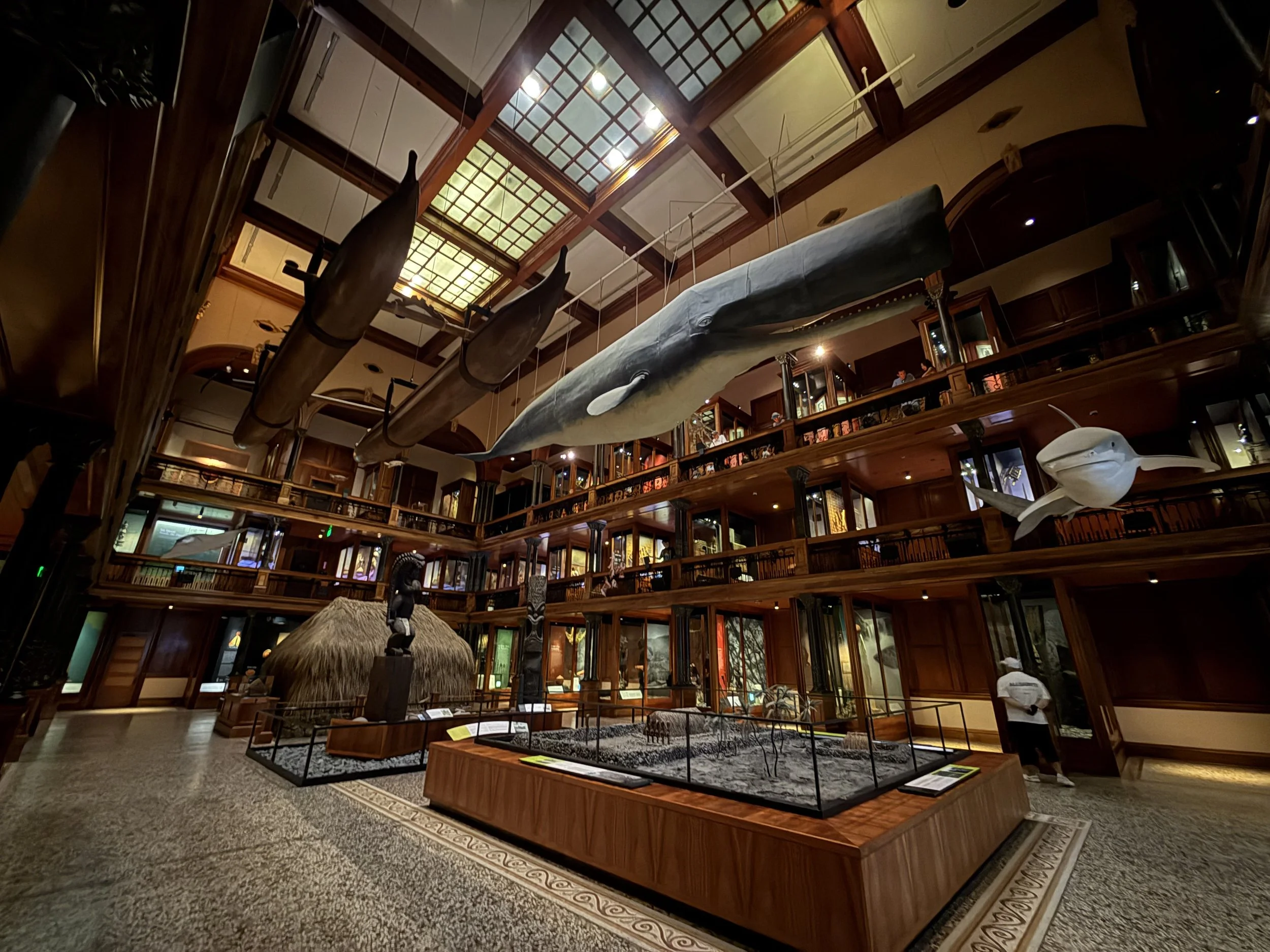
Bernice Pauahi Bishop Museum Hawaii Hall. Photos: Gerald Farinas.
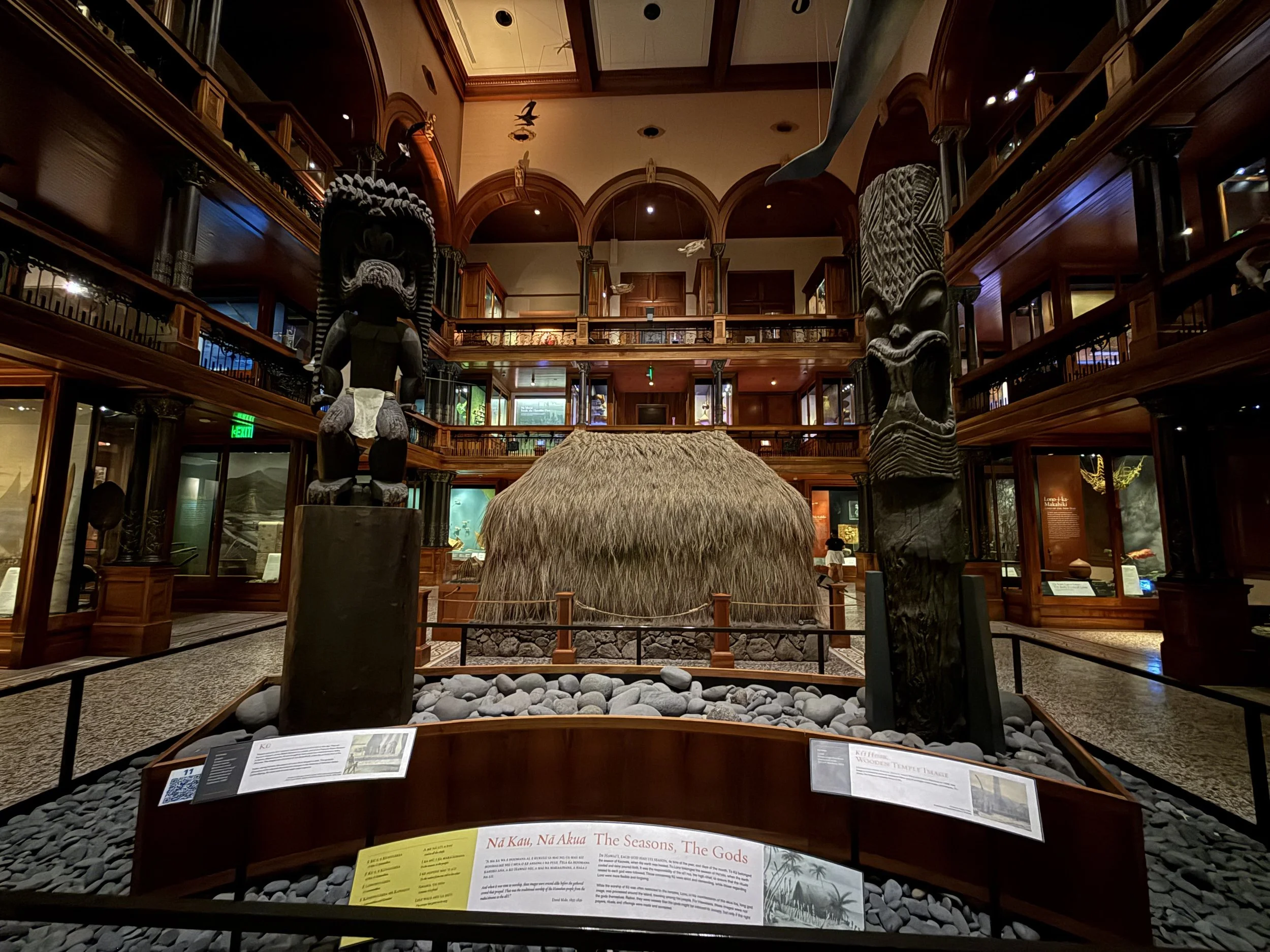
Tonight offered a rare pause from the heavy pull of family matters, a quiet permission slip to step away and simply enjoy Honolulu.
My brother and I spent the evening wandering the Bishop Museum night market, soaking in the vibrant energy of the grounds after dark. It was our first time back since the historic Hawaii Hall underwent its major revamp, a renovation that now feels like a distant milestone given it happened all the way back in 2009.
Walking through the grand exhibits of Hawaii Hall and its sister Polynesia Hall carried a completely different weight this time around. Having recently finished various historical Hawaiiana texts alongside studies on the pre-Polynesian migrations of the ancient voyagers moving from Taiwan through the Philippines and into Oceania, the displays spoke a richer language.
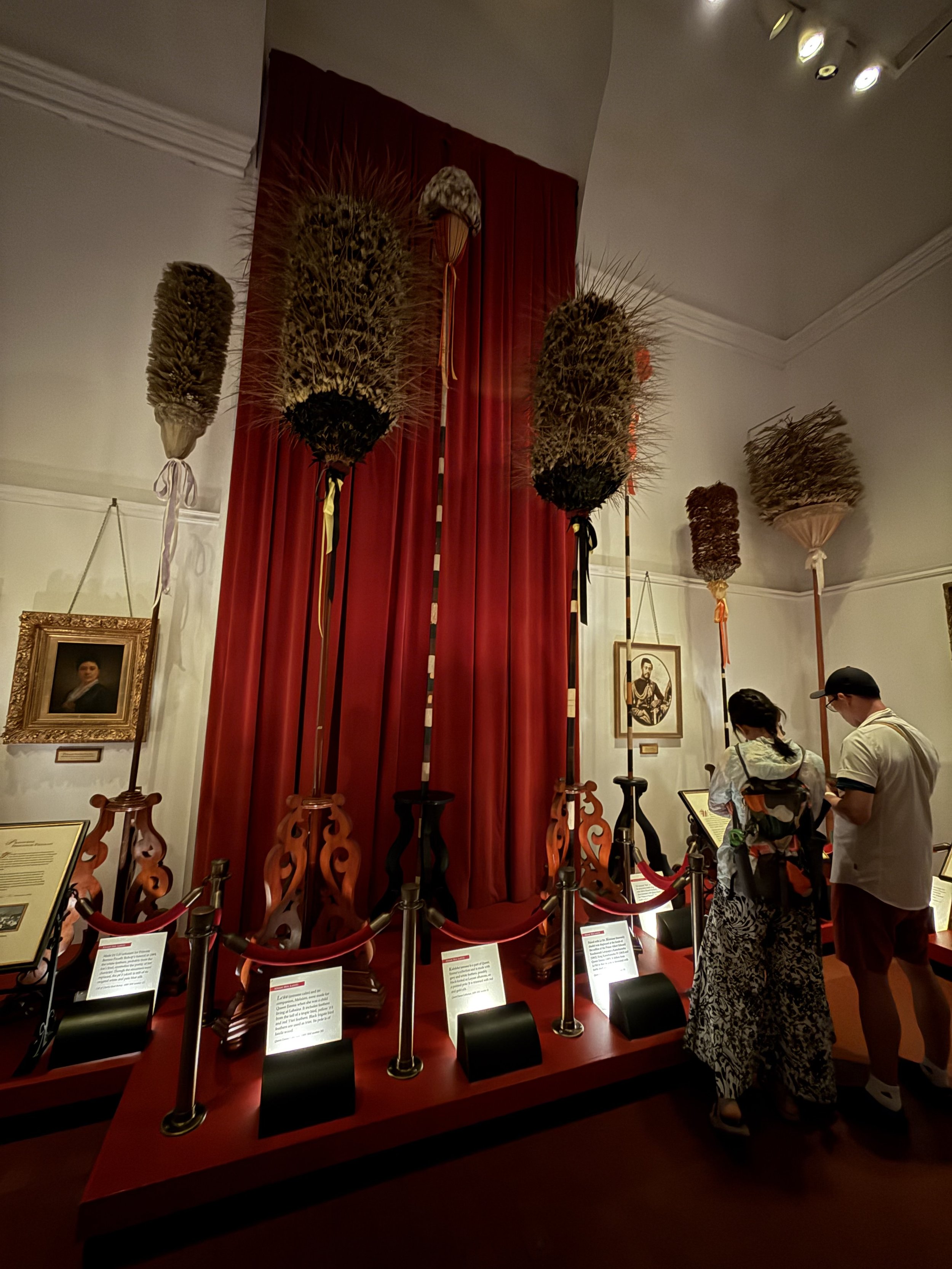
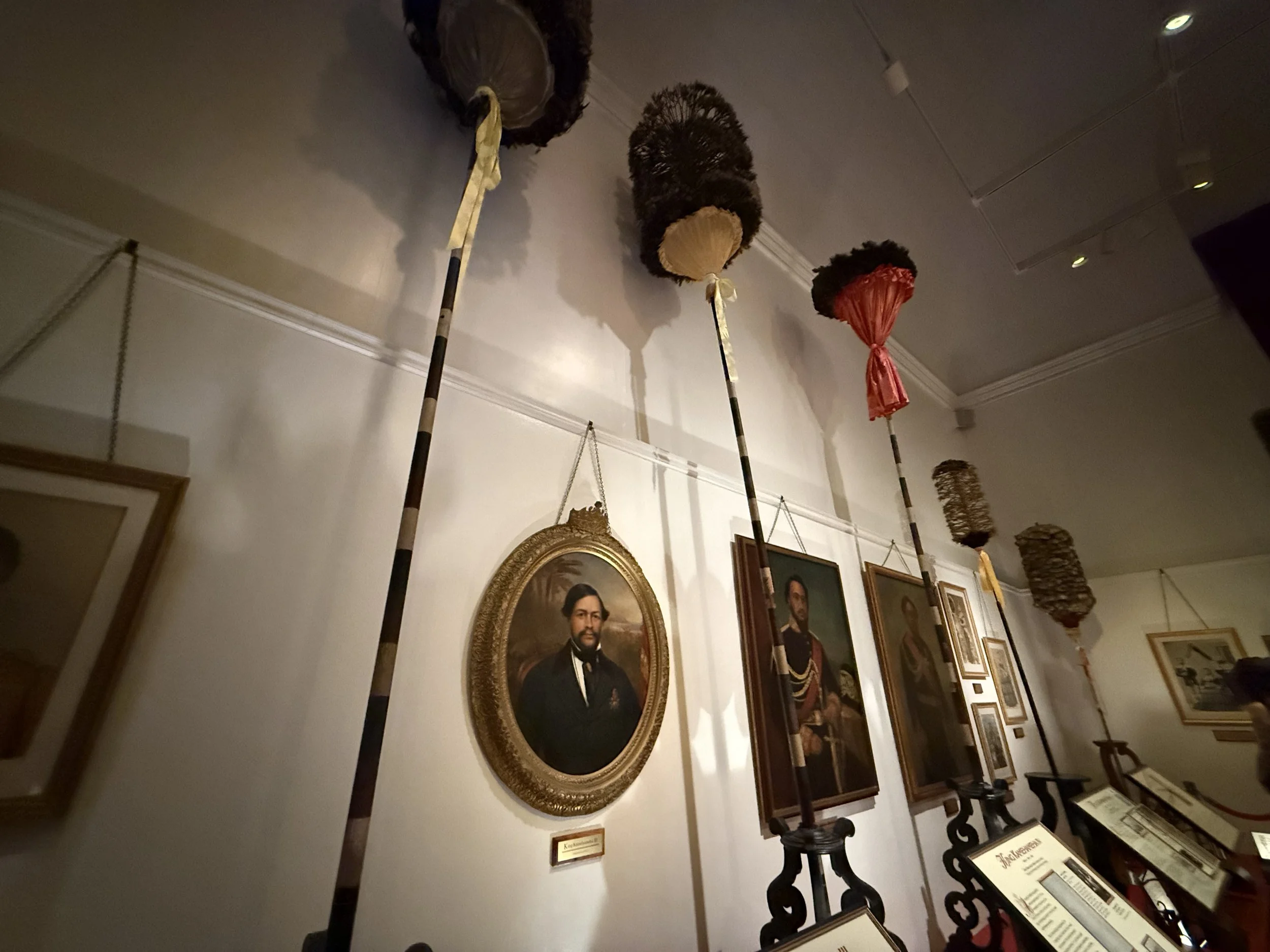
I found myself lingering particularly long in the exhibits dedicated to the ancient Hawaiian period, an era governed entirely by the gods, where the rhythms of daily existence were dictated by sacred kapu and the imposing spiritual weight of the heiau.
Standing before artifacts from that primordial epoch, my mind drifted to imagining life as a makaainana, the commoner bound to the land and constantly pulled back and forth in shifting loyalties to warring chiefs.
To live in that time was to navigate a delicate razor edge, paying tribute to ruling ali`i whose ambitions could sweep up ordinary families in regional conflicts, all while tending the lo`i kalo and seeking the favor of unseen deities who commanded the wind, rain, and volcanic fire.
Names etched on plaques that once blended into the background suddenly held sharp, vibrant meaning. These were the early archaeologists and archivists who journeyed to the Bishop Museum over a century ago, carrying groundbreaking theories and trunks of artifact collections that would shape how we understand the Pacific today.
This visit felt like one piece of a much larger personal awakening regarding my own place in the grand arc of time. Through the lens of two commercial DNA results and the painstaking genealogical threads I have pulled over the years, I can now catch faint, beautiful glimpses of ancient ancestors moving across the Orient long before they ever set sail for these islands.
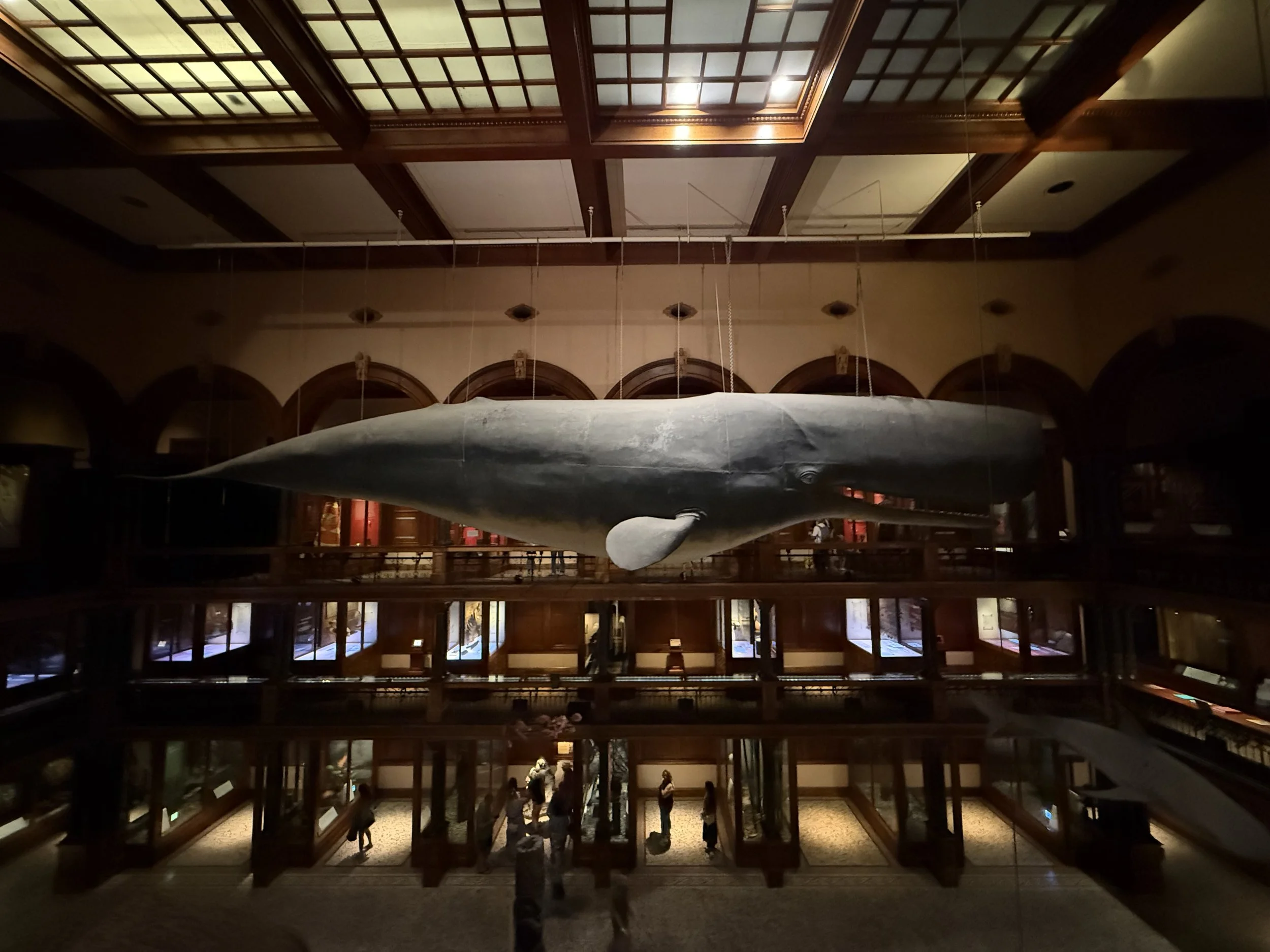
Moving deeper into the hall, my gaze was drawn upward, locking onto the massive mockup of a sperm whale suspended high above the floor. Staring at that colossal marine mammal, my thoughts drifted far from the tropical valleys out onto the lonely, perilous expanse of the high seas during the whaling era.
I imagined young men signing away months of their lives on creaking wooden ships, braving violent storms and crushing isolation in the desperate hope of pocketing a modest share in a ship's harvest of spermaceti oil. That precious, waxy liquid was so fiercely coveted in Victorian parlors across the globe, driving an entire global economy built on the dangerous pursuit of the ocean's greatest leviathans.
Standing beneath the leviathan, my mind slipped back only a few years to a summer spent properly reading, or rather truly conquering, “Moby Dick” cover to cover. As I stared up at the museum whale, that literary journey echoed back in auditory ghosts. I could hear the whispered singing of the New Bedford whalemen's chapel hymn, "The Ribs and Terrors in the Whale", rising from the pews in the classic film adaptation just before Orson Welles steps into frame as Father Mapple to make his dramatic, rope-climbing ascent to the pulpit.
In my mind, the congregation's haunting voices seemed to echo right off the museum rafters with that most poignant lyric, “While all God's sun-lit waves roll'd by, and left me deepening down to doom.”
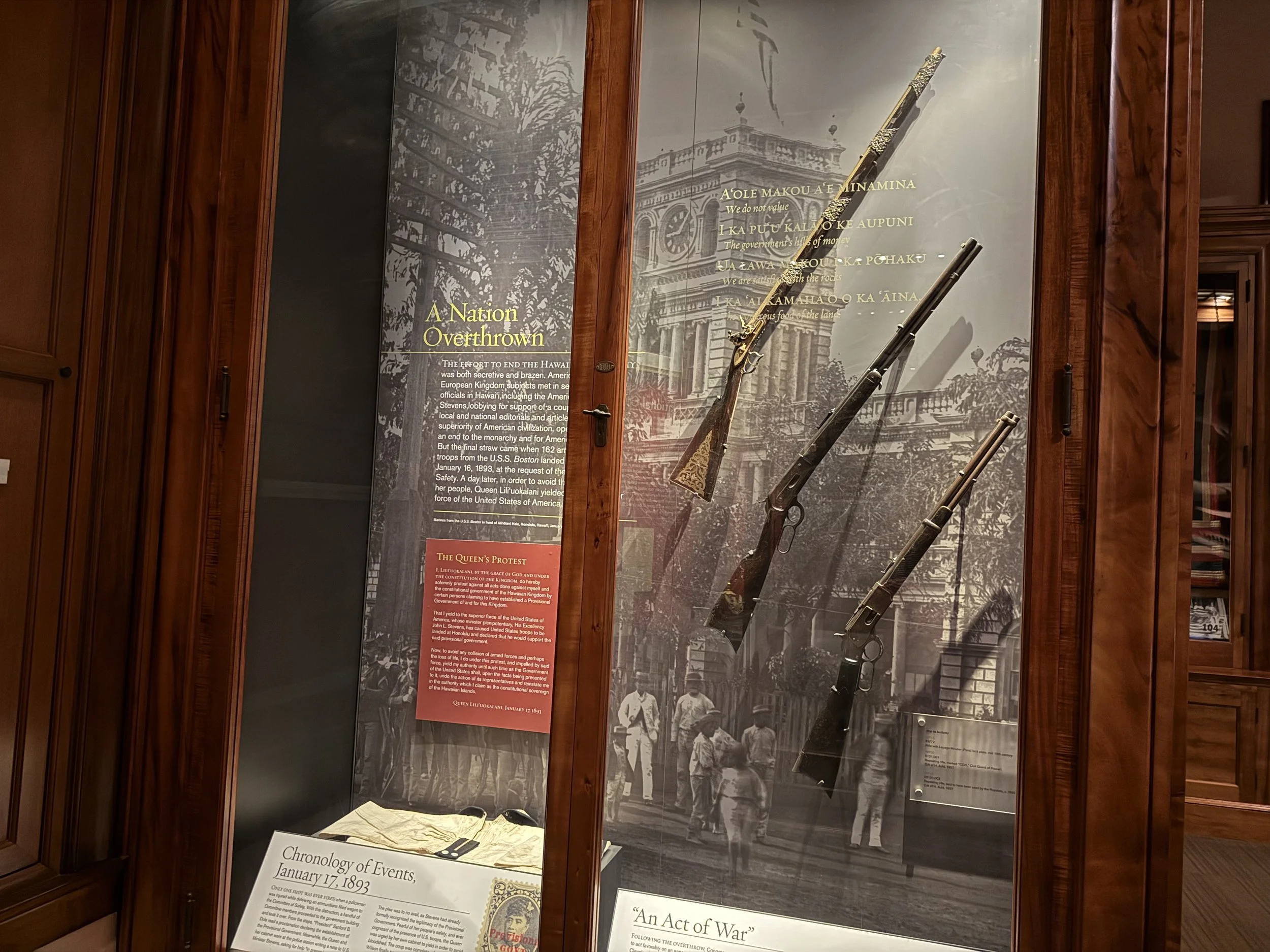
Yet the journey through the museum could not remain solely in the realm of ancient gods and maritime adventure. I found myself pausing somberly before the exhibits detailing American colonialism and the steady, heavy march of oppression that reshaped these islands. Standing before those historical records of political overthrow and cultural suppression brought a sharp ache, reminding the visitor that the story of modern Hawaii is inseparable from deep structural wounds.
Stepping out onto the great lawn of the Bishop estate brought a quiet reverence. This was the sacred ground where ali`i once trained in ancient Hawaiian days, practicing the discipline and arts of their leadership. Standing there, I looked out past the historic stone buildings toward the brightly lit downtown Honolulu skyline, a gleaming cluster of concrete and glass that would have been entirely alien to those early chiefs.
There is a profound poetry in that juxtaposition, bridging the ancient earth beneath our feet with the modern pulse of the city glowing against the night sky.