The Unseen Passenger: An Ilocano tradition of pre-voyage cleansing
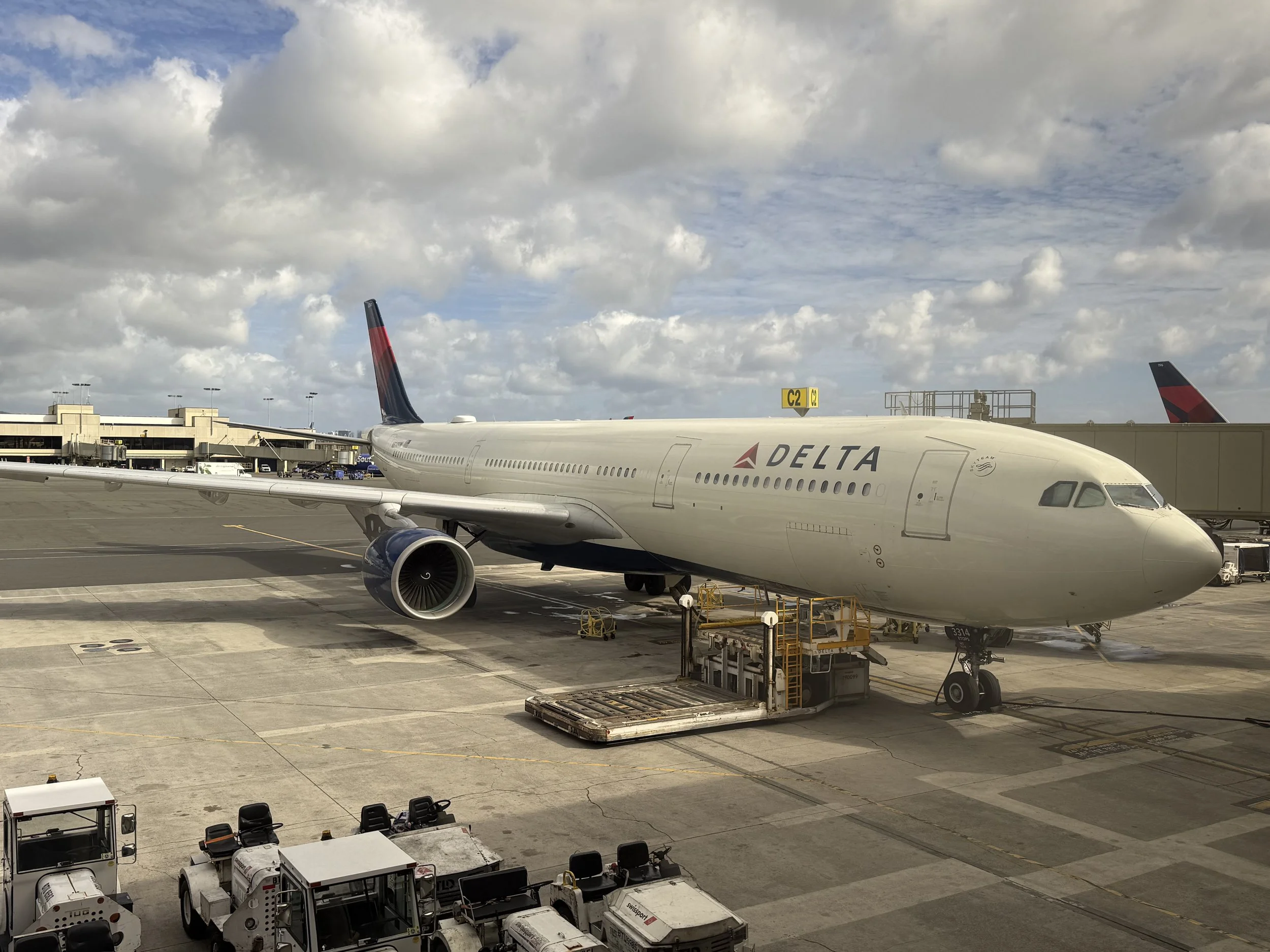
Photo: Gerald Farinas.
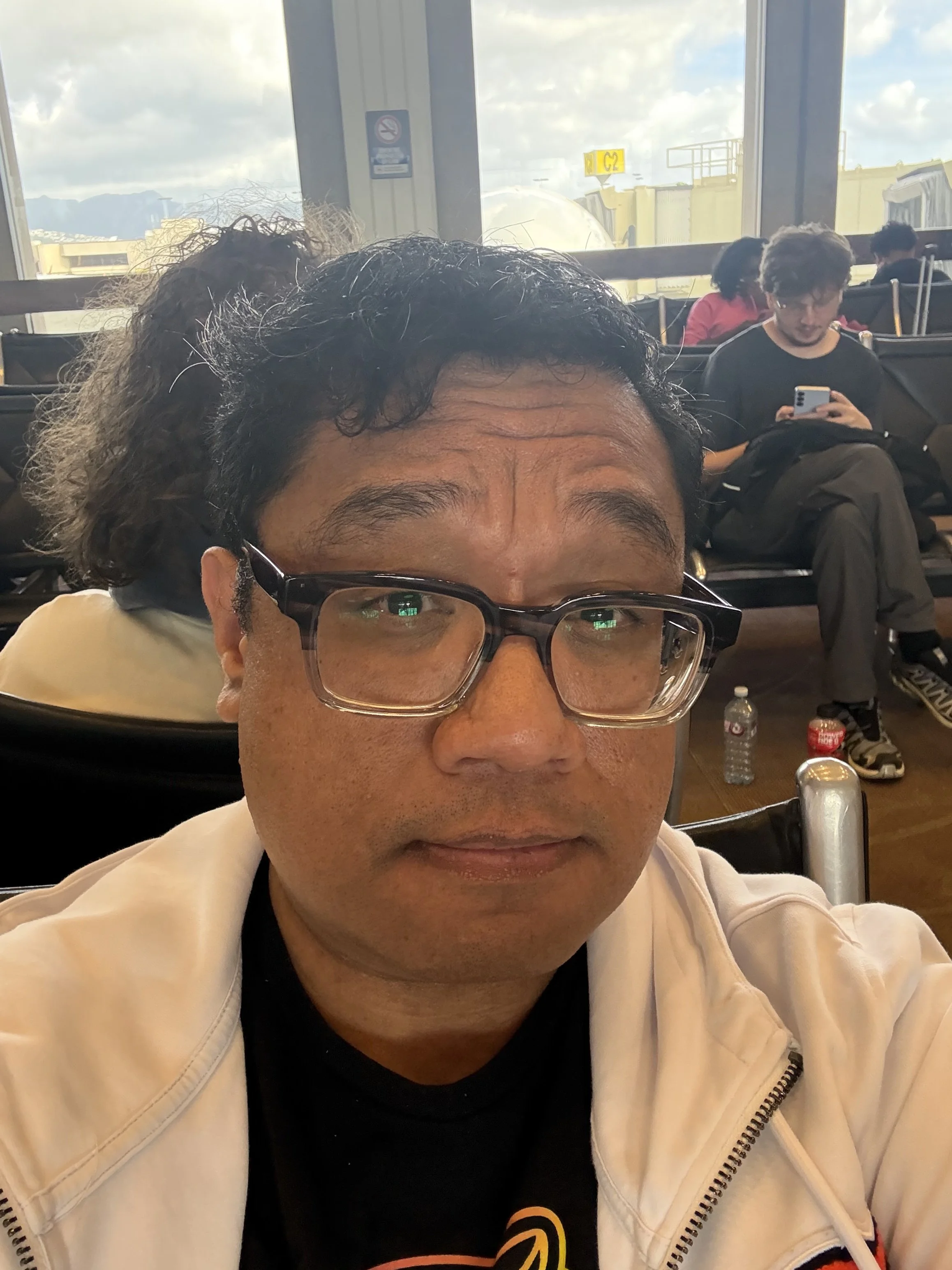
The flight from Minneapolis down to O'Hare takes barely an hour and a half, but the journey total clocks in at around fourteen hours once you factor in the leg out of Honolulu International Airport.
Before stepping foot out of Hawaii and heading for the terminal, there is a specific kind of preparation that has nothing to do with TSA lines or packing light. It involves thoroughly washing and scrubbing every part of me so the spirits don't follow me back to Chicago. Call it superstition or cultural tradition or whatever, but it is an absolute necessity before crossing oceans.
It’s actually a remnant of my ethnic Ilocano lore. It’s a least known part of a larger, more known tradition of ritualistic bathing after burying the dead. Among the migrant plantations of Hawaii, the better-known practice is called gulgul, where family and friends wash themselves in a stream or the sea right after laying a relative to rest. The idea is that unliving leave a residue, a heavy spiritual stickiness that attaches itself to the living. If you walk away from old family haunts (pun intended) without scrubbing yourself clean, you invite the spirits or lingering malefic entities to tag along.
While gulgul is strictly tied to death ritual, the logic expands whenever you cross major thresholds, especially when leaving ancestral soil.
Boarding my big metal bird (thankfully I can still find long haul Delta flights with free dinner and breakfast on a twin-aisle wide body) to fly thousands of miles across the Pacific means leaving one realm and entering another, creating a vulnerable window where wandering energies can latch on for the ride.
Water acts as the ultimate boundary marker. A thorough, deliberate scrub down strips away foreign attachments, resetting the spirit before touching down in the Midwest.
This deep-seated reliance on water for transitional purification isn't exclusive to the Ilocano people. Across the Philippine Islands, various regional groups and our rival Tagalogs practice forms of pagpag (shaking off bad energy or stopping at a neutral spot before going home) paired with immediate laundering of clothes or washing up upon entry.
Look globally, and the motif repeats. In many East Asian and Southeast Asian belief systems, returning from long foreign voyages requires physical cleansing to shed residual or stagnant forces of where we were.
When you grow up with these customs humming in the background, you don't question them. You just turn on the hot shower, and scrub until you are certain that nothing invisible is hitching a ride back to the mainland.