The sacrament of saimin broth
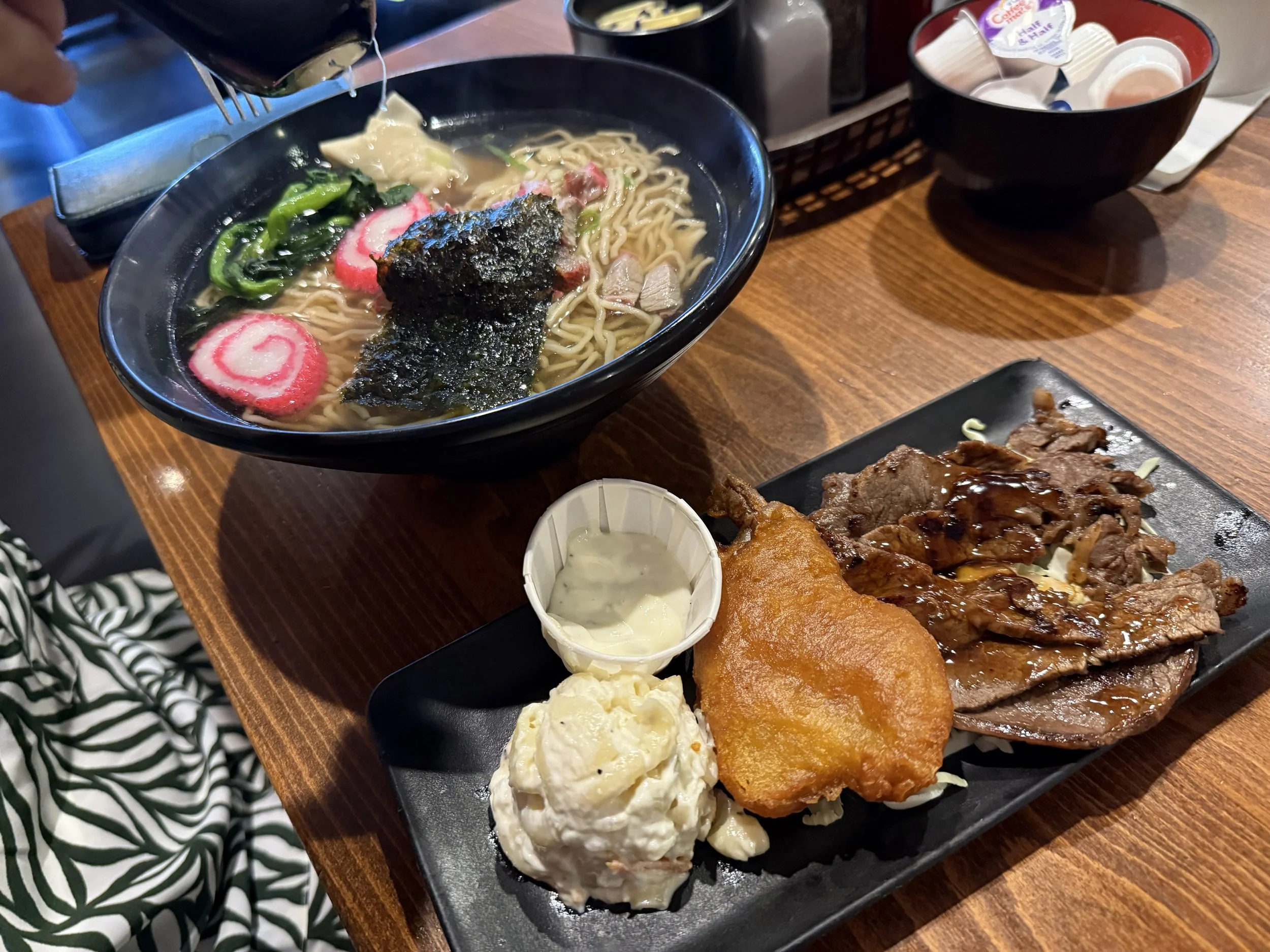
Tanaka Saimin, Honolulu, Hawaii. Photos: Gerald Farinas.
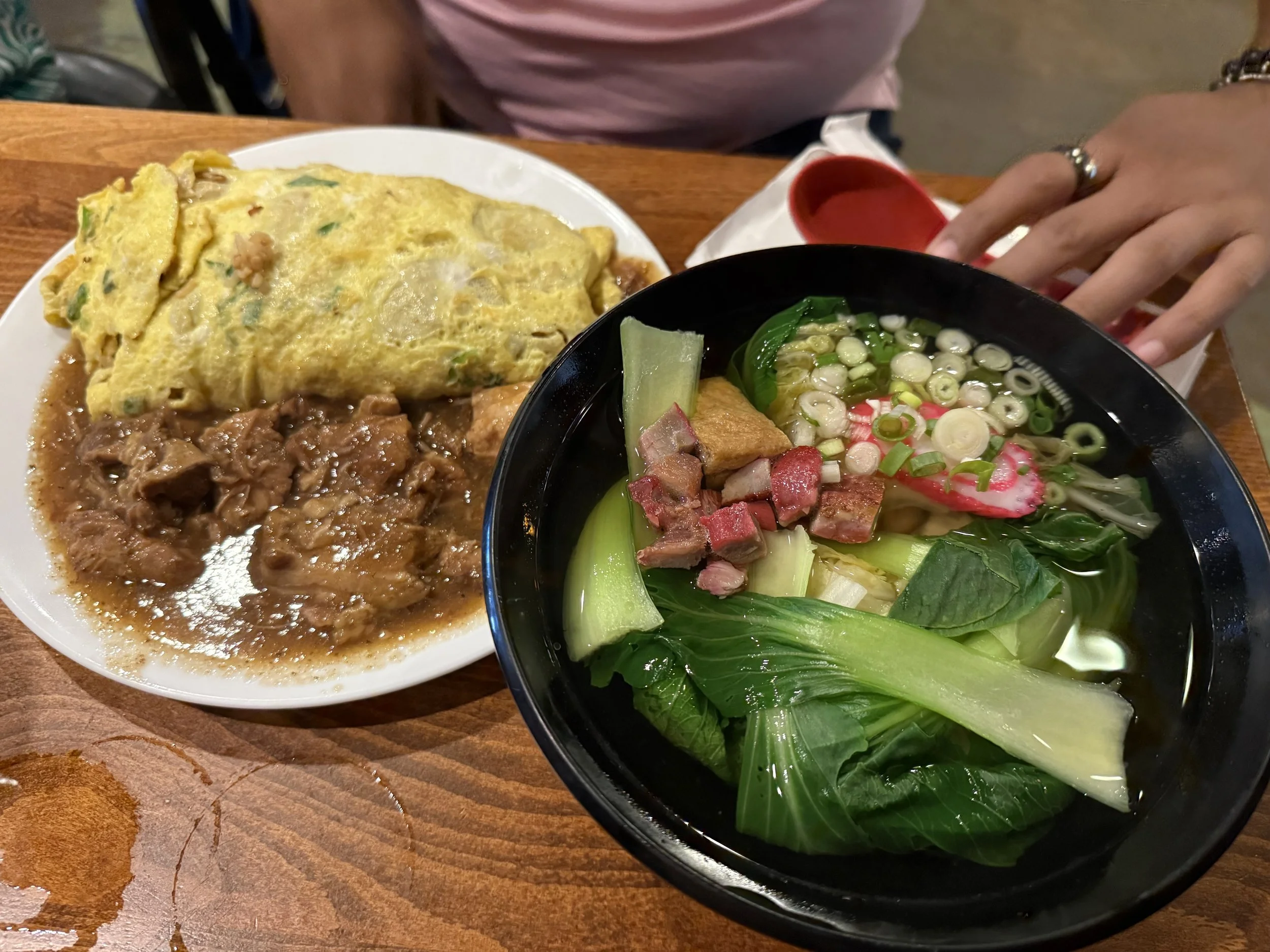
Coming back to Oahu always feels like stepping into a warm, familiar embrace that Chicago cold can never quite reach. The air carries that distinct blend of salt, humidity, and the sweet scent of blooming plumeria. But home isn't just a place on a map. Home is found in the rituals, especially those shared around a table piled high with local comfort food.
Today that meant hovering over a piping hot bowl of Hawaii plantation style saimin. To anyone scrolling through my feed from the mainland, it looks like a standard bowl of ramen. But anyone who grew up here knows ramen and saimin belong to completely different worlds. Saimin is its own unique island creation born from the plantation days, bringing together immigrants from Japan, China, the Philippines, and Portugal who needed a shared bowl to bridge their cultures.
It starts with the noodles. You almost never find dried saimin noodles. They are fresh, slightly springy, and possess a distinct alkaline chew that instantly sets them apart from Japanese ramen or Chinese mein. Then come the specific garnishes, slices of bright pink kamaboko, char siu, thin strips of omelet, and chopped green onions.
Yet the true soul of saimin rests in the broth. It is a lighter, crystal clear dashi infused with shrimp and bonito, comforting without being heavy.
My brother took a familiar local liberty today by asking Tanaka Saimin to serve his noodles on the side, completely separate from the broth. It is a trick I have practiced at Zippy's and other local spots across the island for years. Pouring the hot broth over the noodles yourself at the exact right moment is an art form. It tempers the noodles to your precise preference, keeping that springy bite intact from the first slurp to the last drop.
When you sit over a bowl like this on home soil, it is impossible not to imagine those early sugarcane plantation laborers coming home from the fields past dusk. Indentured to the Hawaii Sugar Planters Association, that ruthless amalgam of the territorial oligarchy, they lived in segregated ethnic camps designed to keep them divided. Yet in the dark, across those camp boundaries, they shared what each other had to offer. A little dried shrimp here, a handful of green onions there, noodles traded from the Japanese bunkhouses, and broths simmered from whatever scraps were available.
It was the broth that pulled it all together, binding disparate ingredients into a single, cohesive bowl. You can call it communalism or socialism or any other political isms you like. To me, it is simply the essence of what it means to survive together as one against those who hold the contracts.
In a way, it feels like a Sacrament. It is an intentional, mindful act of gathering, preparing, and partaking in a piece of our shared history. Far away in Chicago, I can cook up plenty of things, but I can never quite recreate the feeling of sitting on Oahu with family, pouring that broth at just the right moment, and tasting the true essence of modern Hawaiiana.
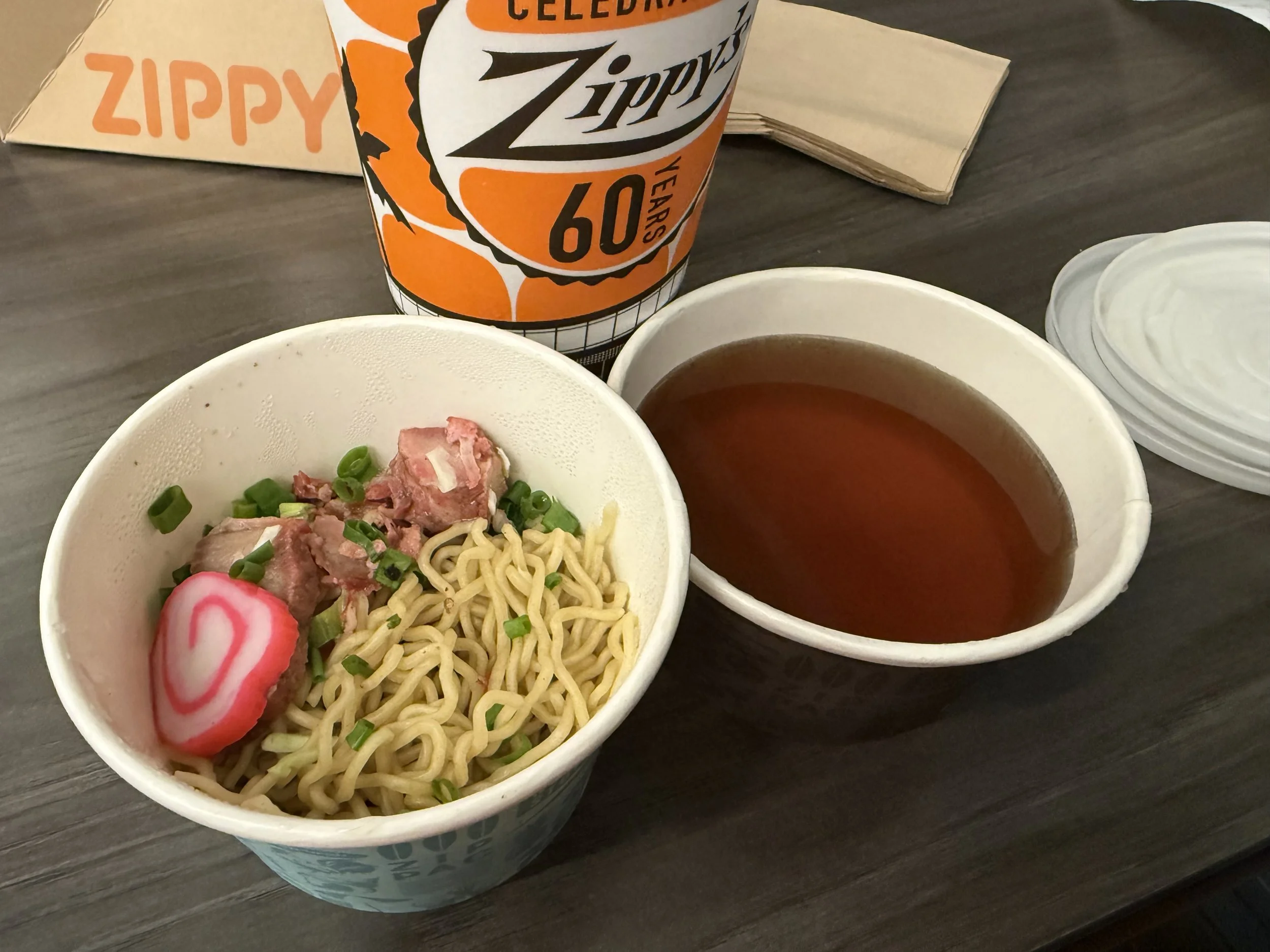
Zippy’s, Honolulu, Hawaii. Photo: Gerald Farinas.