Beyond the Souvenir Rack: Why a Hawaiian name is woven into Creation itself
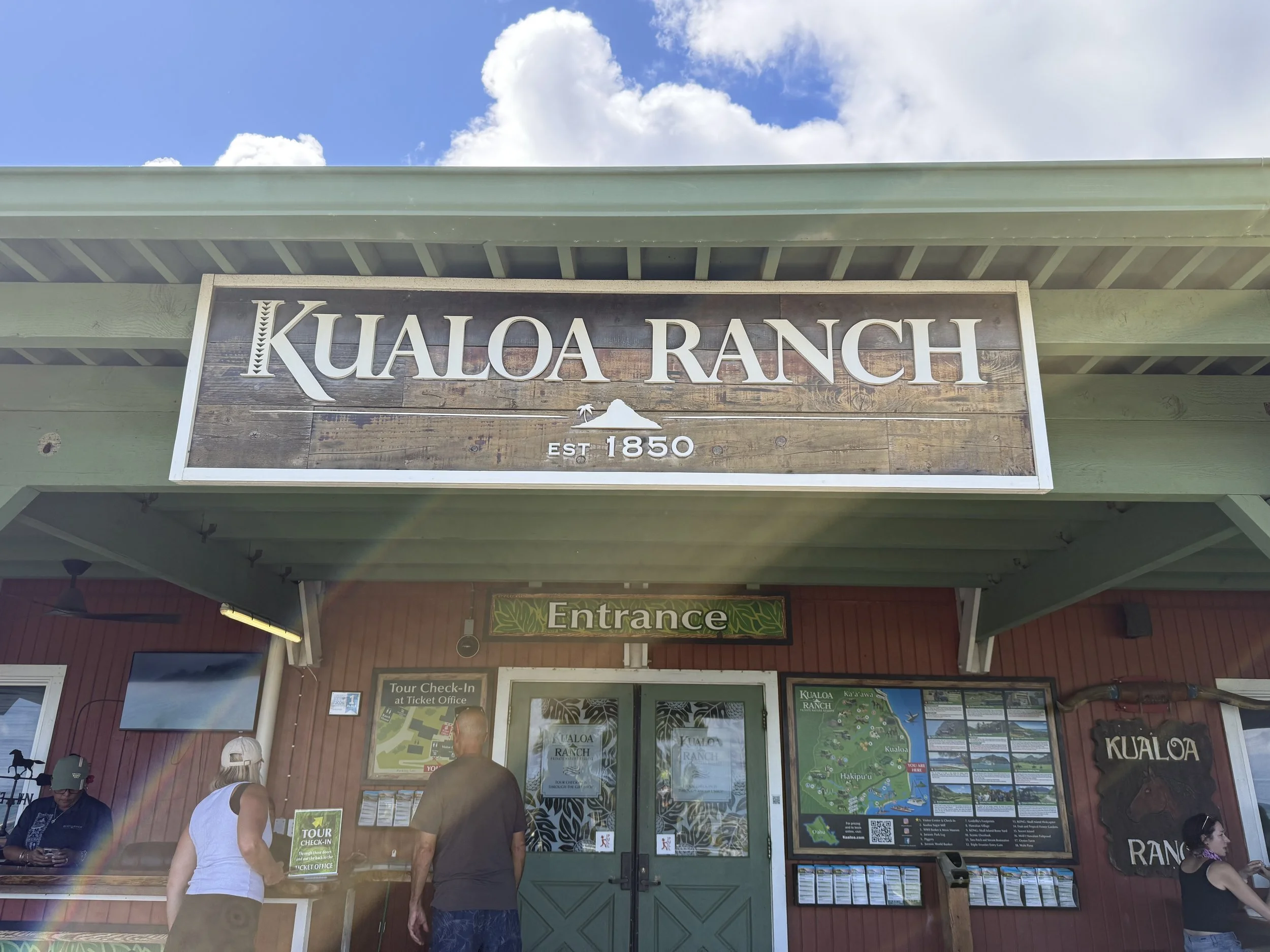
Photos: Gerald Farinas.
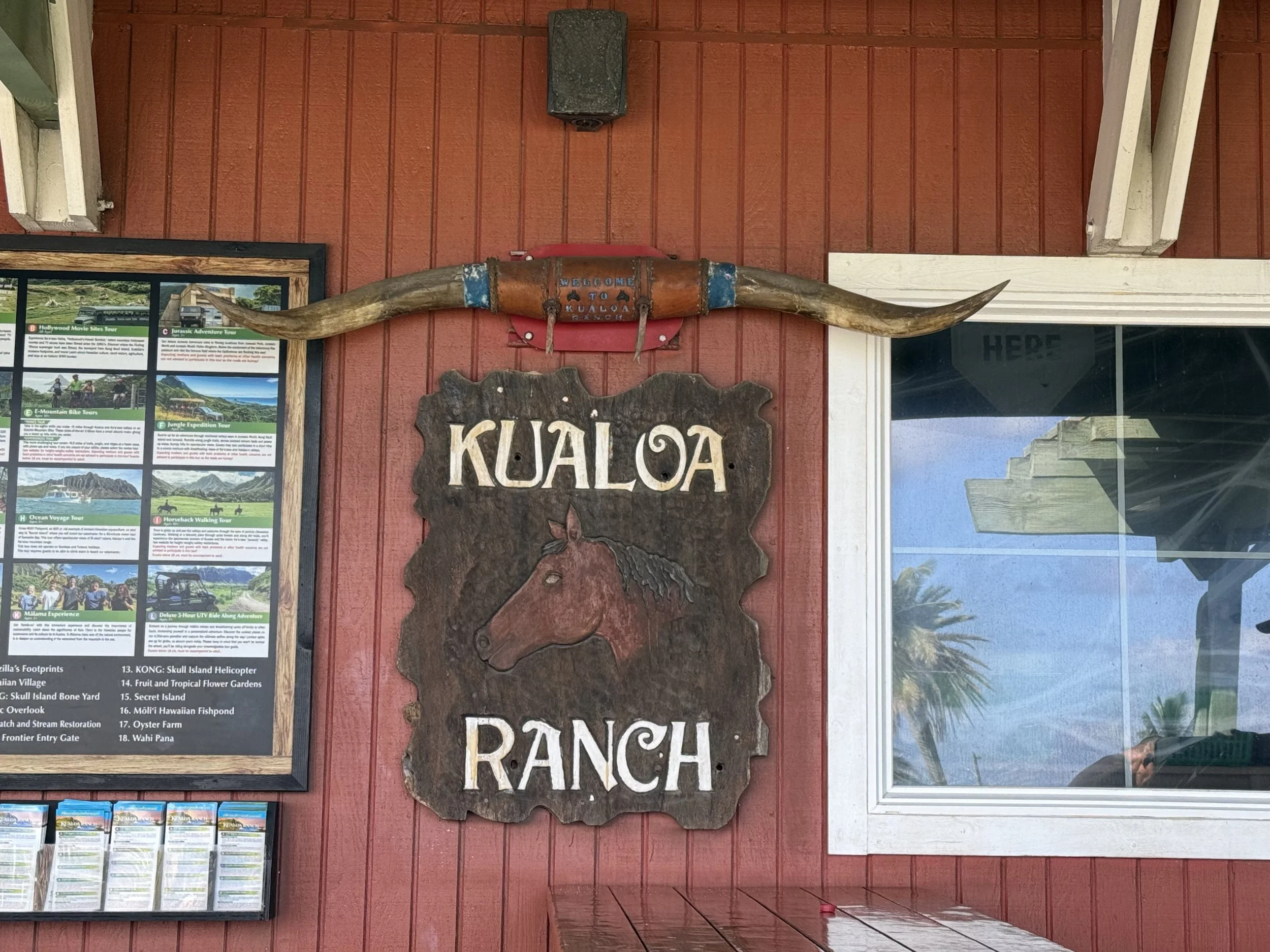
Today, I was out at Kualoa Ranch, that massive four-thousand-acre stretch on the windward side of Oahu. Most folks know it from the big screen as the backdrop for “Jurassic Park” and those modern King Kong blockbusters. But for me, the real draw is the cattle, the horseback riding, and the way that place anchors more than 194 years of local paniolo history. Hawaiian cowboys.
Before I headed out, I had to squeeze past the usual crowd of tourists in the front gift shop elbowing each other to grab some “Jurassic” kitsch in the gift shop. Right next to the stuffed dinosaurs and dinosaur themed dinnerware sat the ubiquitous rack of souvenir keychains, stamped with faux-Hawaiian name equivalents for every John, Joe, and Susie who rolled off a coach bus from the Waikiki resorts.
It’s easy to chuckle at the souvenir racks, but the reality is that Hawaiian names are never just a matter of playing a matching game. You cannot simply swap an English pronunciation to get something like Kelala for Gerald, or dig up the etymology of a name's original definition to land on Ali`iihe for spear ruler.
Naming in Hawaii does not work like a translation dictionary. The act of giving a name can be quite sacred, offering far more than mere symbolism.
A proper Hawaiian name might call upon ancestral spirits to walk with and guide a child through life. It might invoke the gods to bless and encourage specific character traits, or it can capture the intricate relationship between humanity and the surrounding air, land, and sea.
When you look deeper into how these names function, you realize they belong to the greater fabric of the Creation story of the world. There is an immensity of poetry woven into Hawaiian names that goes far beyond simple nomenclature.
In the Hawaiian worldview, preserved in chants like the “Kumulipo,” existence unfolds in an orderly, sacred genealogy that connects the darkest depths of the ocean to the brightness of the waking sky, linking coral polyps and sea urchins directly to human beings.
Names are not arbitrary tags assigned at birth; they are living threads in that same cosmic tapestry. To be named in the traditional way is to be anchored into the ongoing story of creation, recognizing that a person is made of the exact same elements, winds, and tides that shaped the islands themselves.
Years ago, I was deeply honored to receive a Hawaiian name from a respected kanaka elder. She did not pull it off a souvenir rack at the ABC Store or run it through a formula. She pulled it from what she knew of me and who the cosmos says I am.
I was deeply moved when Kumu gave me that name. I remember the tear I couldn’t help but allow to roll down my cheek.
That is when I became Kahu Leoleomālieokaʻaemoana.
It’s certainly not very much like a Gerald Farinas.
Breaking down those pieces reveals the profound weight of what she gifted me. Kahu speaks to a guardian, a tender of sacred spaces, or a keeper of deep trusts. Interestingly for the Church, it also means elder of the Church. Leoleomālie brings in the voice of calm, a steadying presence that speaks with measured peace amidst the noise. And Oka`aemoana ties it all directly back to the vast, moving expanse of the deep ocean.
I literally slumped back into my chair as if Kumu placed the weight of it all on me, dressed it upon my being.
Kahu Leoleomālieokaʻaemoana translates to the calm voice of the ocean, a reminder of the quiet strength found where the deep waters meet the shore, holding space for everything that moves across the tide.
What she did not know about me before giving me my name? I was born in a part of Honolulu called Kalihi. I now live in a part of Chicago called Edgewater Beach. Kalihi and Edgewater have similar meanings.
The poetry of it all just… there are no words. Years later, I still have no words.